Bipartisanship, Climate Change, and Representation
Today’s political climate is seemingly
quite hopeless. The polarization of the two parties within politics and
specifically within Congress proves time and time again to be a dividing factor
for Americans, politicians, and constituents. One of the most polarizing topics
of today is the topic of climate change. With the recent climate strikes popping
up globally and nationally many people have voiced their opinions on whether or
not they agree with the subject of climate change. President Trump voiced is
opinion tweeting, “The concept of global warming was created by and for the
Chinese in order to make U.S. manufacturing non-competitive” (Twitter.com/realdonaldtrump).
Whereas climate activists such as Greta Thunberg has said, “…if you really
understood the situation and still kept on failing to act, then you would be
evil and that I refuse to believe” (bbc.co.uk).
How do
politicians react to this and how does this correlate with their constituency? President
Trump’s said tweet, he feels that the issue of climate change is a farce, even
though in New York on the day of the September climate strike, 1.1 million
students were excused from class in order to participate in climate strikes
(USA Today). One explanation can be found in Fenno’s Concentric Circles.
According to Adler, E.
Scott, Jeffrey A. Jenkins, and Charles R. Shipan, the Fenno Concentric Circle
says that Politician’s first concern is their inner circle and then their
primary constituency, their reelection constituency, and then their geographic
constituency (Adler, Jenkins et. al).

Figure 1: Climate Change Activists during 2019 Climate
Strike, Washington DC. https://www.wbur.org/hereandnow/2019/03/15/school-climate-change-strike
This offers the perspective that Trump
considers the wants and needs of his inner circle constituency and his primary
constituency first who don’t necessarily support the notion of climate change. There
are, however, some legislature that seemingly both political parties that
concern the environment and outdoor activity, this being the Land and Water Conservation
Fund (LWCF). According to a podcast by the Dirtbag Diaries, the LWCF acquires
$40 billion from oil and gas royalties from offshore oil production to
purchase and maintain land for public recreation and this is a rare case that
many politicians from both parties agree on (Dirtbag Diaries). Although this is
something that both parties agree to be a fiscally “good” thing, there are
still critics for the practice. According to an article from Offshore
Technology, “…[to] many critics, however, it presents a totally
unacceptable risk to the environment and human health, whether from air
pollution, groundwater contamination or even induced seismicity” and continue, " The debate over fracking has polarised opinion, with governmental approval of fracking operations provoking protests in the US.."(Offshore Technology). This polarization of the offshore fracking comes from, primarily democratic, constituencies, yet the LWCF, that appropriates royalties from offshore fracking, gets the support from democrat representatives and republicans alike. This again points to Fenno's concentric circle, and possibly these representatives have others, besides their district and geographical constituency, in mind.
Many different committee heads from
both the democratic and republican parties have expressed their support and even
amend different bills that are introduced in order for their parties to gain profit
from the LWCF bill. Though there are still critics that are constituents from
both parties. The legislature is a tricky and tedious process and as Fenno explains
in his Concentric Circle that many representatives are more concerned with the
needs and wants for those who are closest to them or provide more resources and
support, which may leave a majority of their geographic constituents unhappy.
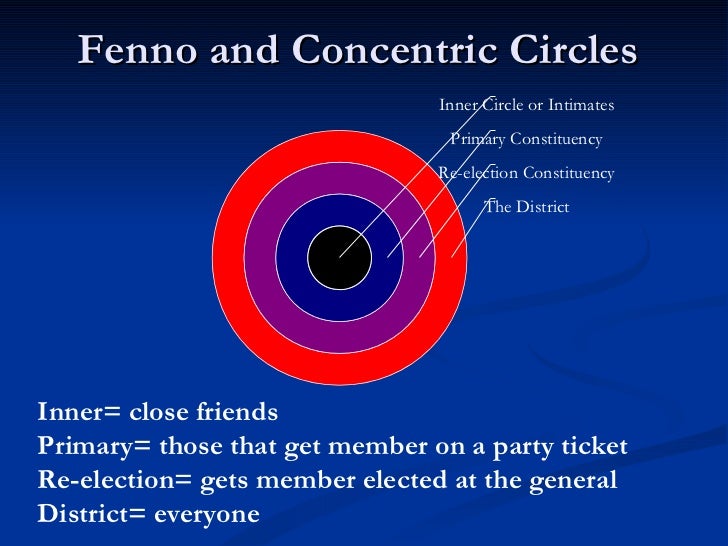
Figure 2 Fenno's Concentric Circle; slideshare.net
Work
Cited
“Frac Pack: The Offshore Fracking Debate Heats Up.” 2014. Offshore
Technology | Oil and Gas News and Market Analysis. https://www.offshore-technology.com/features/featurefrac-pack-the-offshore-fracking-debate-heats-up-4421500/ (October
17, 2019).
“From India To Kentucky, Students Around The World Walk Out To
Demand Climate Change Action.” https://www.wbur.org/hereandnow/2019/03/15/school-climate-change-strike (October
17, 2019).
“Greta Thunberg: Climate Change Activist’s ‘How Dare You’
Message to World Leaders - CBBC Newsround.” https://www.bbc.co.uk/newsround/49801041 (October
17, 2019).
“The Land and Water Conservation Fund.” 2019. The
Dirtbag Diaries. https://dirtbagdiaries.com/the-land-and-water-conservation-fund/ (October
17, 2019).
Trump, Donald J. 2012. “The Concept of Global Warming Was
Created by and for the Chinese in Order to Make U.S. Manufacturing Non-Competitive.” @realDonaldTrump. https://twitter.com/realDonaldTrump/status/265895292191248385 (October
17, 2019).
I think you do a nice job applying rhetoric around climate change to political motivations and the different types of constituents that politicians cater to. I too found the Dirtbag Diaries podcast interesting and somewhat unbelievable how many obstacles the lobbyists faced when it was one of the most bipartisan-supported pieces of legislation in Washington. Your article makes me wonder if the President really does believe that climate change was a concept invented by China, or if he knows that it’s real but that kind of language wins him political points with his base.
ReplyDeleteGreat piece! It is interesting to look at how the polarization in Congress affects specific issues, especially global issues like climate change. It seems to be an issue that constituents are most worried about the opinions of those closest to them. I think this is why polarization may be such a problem in Congress; constituents aren’t necessarily expressing what they truly believe. There maybe would be much more agreement on climate change policies if legislators weren’t so worried about the Concentric Circle you mentioned.
ReplyDeleteThank you for your post about the relationship between Bipartisanship, Climate Change, and Representation. I think you did an excellent job applying some of readings in class to your argument which made for a great conclusion. The section I particularly liked and agreed with was your section on representation and how politicians first worry about their inner circle etc. The Trump tweet is an excellent of how a politician uses certain political stances, for instance the denial of climate change, to pander to certain demographics of people in order to garner votes from his base constituency.
ReplyDelete